
About Us
When a drain backs up or a fixture starts acting up, Redan Drain Masters helps homeowners in Redan and Lithonia get the house running again. We camera the line and then handle drains, sewer lines, toilets, pipes, hot water heaters, fixtures, and garbage disposals so the house works once the line is open. Around the Redan High School area, many houses went up in the 1970s to 1990s with copper inside and PVC laterals outside. Those laterals pick up roots and offset joints after a wet week, and kitchen grease sits in the same PVC.
We put a camera in the line before we cable or jet, then we talk through what the lens showed before we pick a tool. When we leave, the trap, the branch, and the main should all move water, and the fixtures you use every day should work. You can reach us 24/7, including nights when a kitchen line in 30058 will not drain. We work from 1544 Wellborn Rd, and a same day plumber visit still starts with that camera pass.
After that first camera pass, we still cover the rest of the house so toilets and sinks work once the line is open. The next stretch walks through how a plumbing visit works, from the details you share to the last check at the cleanout. You will see the same steps on a quiet afternoon and on an emergency plumber call after midnight.
At Redan Drain Masters, we provide dependable plumbing solutions for homes and businesses. From drain cleaning and pipe repairs to fixture installation and emergency service, our team is committed to quality workmanship and responsive support.
Fast drain cleaning for clogs, slow drains, and backed-up plumbing lines
Professional installation for faucets, sinks, toilets, and other plumbing fixtures.
24/7 help for burst pipes, major leaks, backups, and urgent plumbing problems.
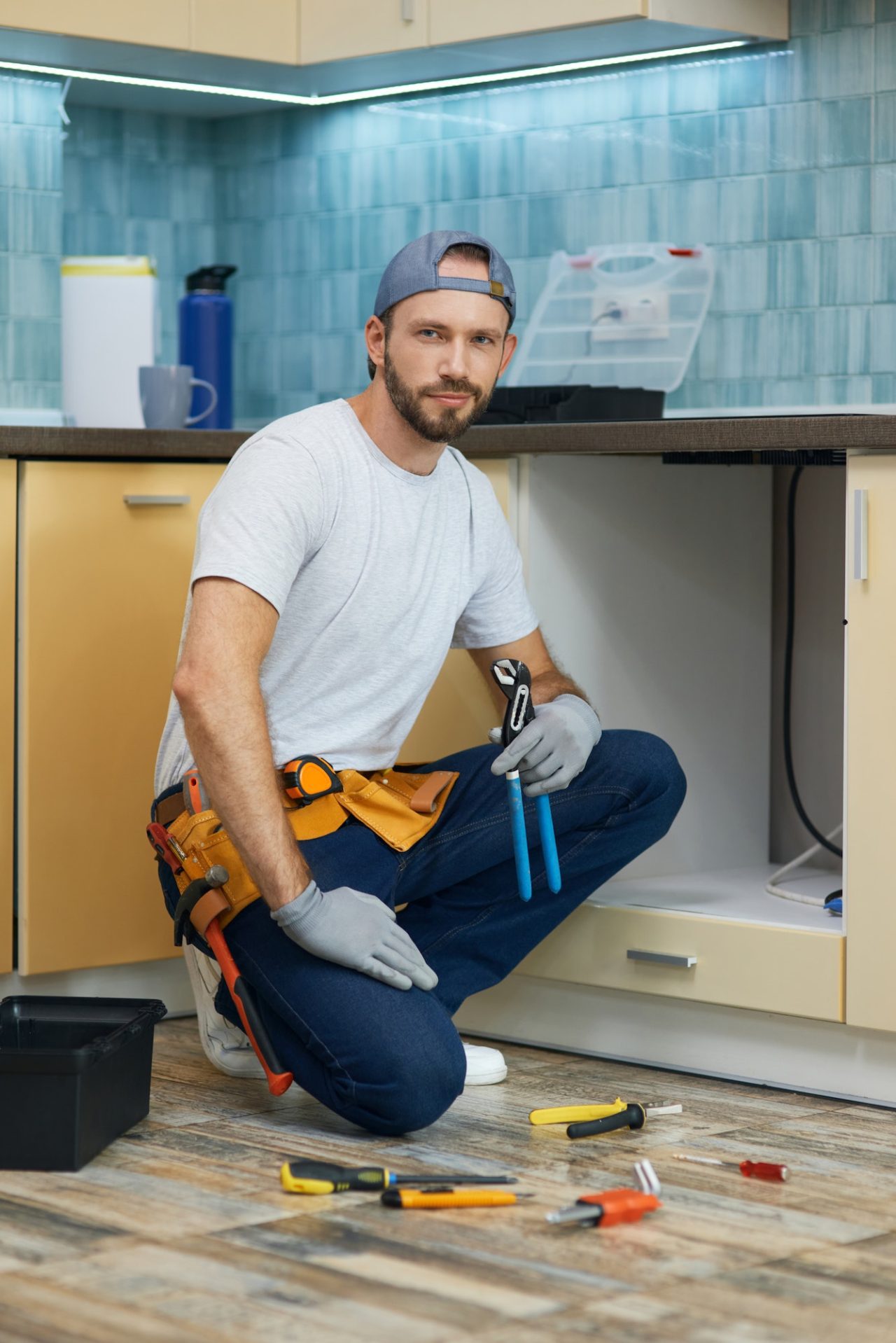
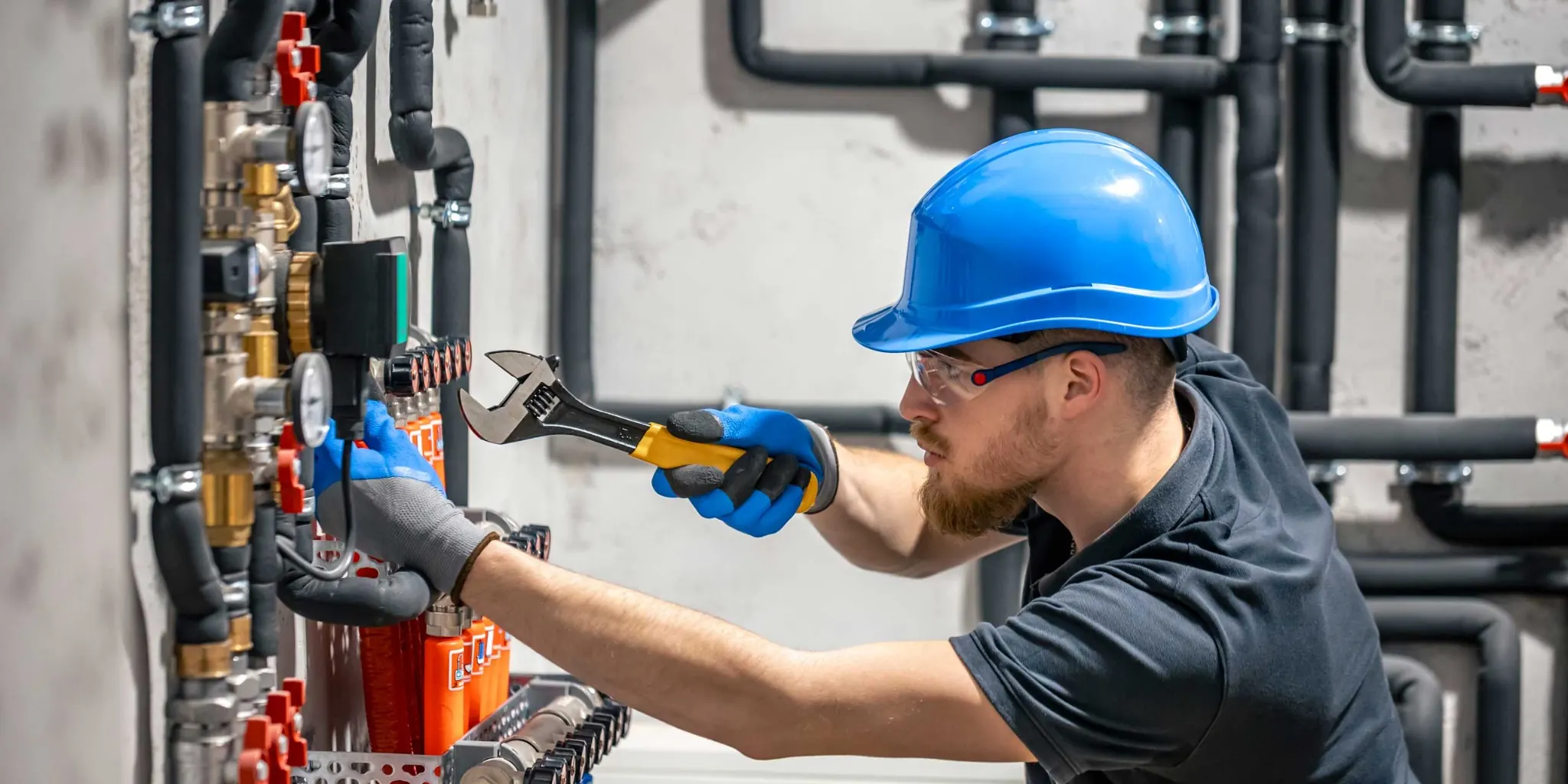
A visit on a drain call is not a mystery tour. You tell us what the house is doing, we look with a camera, we explain what the lens showed, and we finish the repair we just described. That four-step order is how we keep from cutting a good pipe or cabling a broken one. It is also how a local plumber who explains the problem keeps you from guessing in the hallway.
The first useful details are the ones you already have in the house. Tell us which fixture is slow, whether more than one drain is involved, and whether you have a cleanout in the yard or in a laundry closet. A slab house near Phillips Road is a different walk than a crawl space, so that one fact changes where we start. If water is at the floor, say so, because we will ask you to stop using the line until we get there. Photos of the backup help, and the decade the house was built helps too, even if you only know it is an older ranch.
Once we are in the house, we do not start by spinning a cable into a line we have not seen. We look at the fixtures that are failing, check nearby drains, and find the cleanout so the camera has a path. On a backed-up kitchen, that often means drain cleaning after the camera, not before it. The lens tells us if we are looking at grease in PVC, roots at a joint, or a belly that will fill again. That camera pass is how a plumber that tests before replacing parts avoids chewing a coupling that only needed a jet.
We do not pick a jetter because it is on the truck. We pick it because the lens showed a grease film or a soft mass that water can move. If the picture shows an offset, we talk about whether cabling will pass or whether that joint needs a repair. You will hear that in the kitchen or the yard, in ordinary words, from a local plumber who explains the problem before anyone opens a trench. If the picture points to a broken hub, we talk about sewer line repair instead of spinning a cable in cracked pipe.
Clearing the line is not the last step. We run water at the fixtures that were failing and at others that were not, because a branch can still hold a rag. Toilets should fill, sinks should drop, and the cleanout should stay quiet. If a disposal or a faucet was part of the mess, we handle that before we pack up so the house works after the line is open. You should be able to take a shower without wondering whether the tub will crawl back up.
People do not hire a plumbing company because the truck is shiny. They hire it because the last visit left a mystery and they do not want another one. Here is what that looks like on the jobs we take in these houses.
The example is the camera on the truck, not a slogan. If a tub is slow on Shadow Rock Drive, we pull a cleanout and watch the PVC before a cutter goes in. That keeps us from scoring a good wall or skipping past a rubber coupling that is already leaking. You see the same clip we see, then we agree on jetting, cabling, or a repair. It is slower at the start and faster than opening the wrong stretch of yard.
We run calls from 1544 Wellborn Rd, and that is the street on the invoice, not a P.O. box. From there we cover Redan every day, including the blocks around Redan High School and the Phillips Road corridor. The truck carries the camera, the jetter, and the fittings that copper and PVC from these houses use. When you need a residential plumber who already knows those materials, that street is why we are not guessing which couplings to load.
A drain job that leaves a toilet in the hall is not finished. After the line is open we check the fixtures you named and a couple you did not. We wipe the work area so you are not stepping over soil. If a fixture install or a disposal was part of the call, that gets done before we pack the hose. You should be able to wash a pan and flush without a second backup the same evening.
A slow kitchen drain can wait until morning. A toilet that will not stop, or a line that is coming up in a tub, cannot. We take those calls 24/7, and the person who answers is scheduling the same camera-first visit, not reading from a card. An emergency plumber on this crew still wants the fixture, the cleanout, and the decade of the house. You are not left with a voicemail and a wet floor until Monday.
Cabling a kitchen grease clog just polishes it. Jetting a broken hub can make the hole worse. The camera tells us which of those we are looking at, and that is why the tool changes from house to house on the same street. On Redan Road we have opened a cleanout two doors apart and used a jet on one job and a section repair on the next. That is the plumbing company habit we will not drop.
Most Redan houses, about 82 percent, went up between 1970 and 1999, and the median year built is 1987, so copper and PVC are the everyday materials. About 14 percent of homes were built in 2000 or later, and those tend to have PEX and PVC instead of the older copper runs. Cecil and Pacolet sandy loams hold water after summer storms, then occasional hard freezes hit hose bibs and unheated branches. City water comes from the Chattahoochee River through the Scott Candler plant, and DeKalb County Department of Watershed Management does not publish hardness.
Humid summers around here pull a lot of water through outdoor hoses, and the same weeks can dump heavy rain on the yard. When the ground stays wet, those 1980s PVC laterals in clayey subsoil pick up roots at the joints and can surcharge at the cleanout. You might see water at a cap in the yard after a long storm even if the toilets were fine that morning. We camera that line instead of assuming the kitchen grease is the whole story, because summer rain and a belly can look the same at the fixture.
Winter here is not a long freeze, but a hard night is enough. Poorly insulated hose bibs, crawl-space lines, and unheated branches are the ones that split. A slab house still has those hose bibs on the sunny wall that nobody packed. If you come home to a spray in the crawl, shut the house valve. We treat that split as pipe repair, then we camera any drain that got involved.
We keep the work residential, which means houses, townhomes, and condos, not storefronts. The streets below are the ones we walk with a camera and a jetter. Panola Road cuts through town, and the housing along it matches the rest of that older suburban stock. If your block is not named, the visit still follows the same order.
Houses in this pocket are mostly 1970s to 1990s, with copper inside and PVC laterals out to the main. Those laterals pick up roots and offset joints after the ground stays wet, and kitchen lines in the same PVC collect grease. We camera from the cleanout before we cable, because a coupling from that era can look like a clog until you see it.
Along Phillips Road by the park, the stock has PVC laterals like the neighboring streets. Backups here often start at a kitchen or a tub, then show up at a yard cleanout after rain. We treat that as a lateral question first, then we still check the fixtures so a disposal or toilet is not left half-working.
Shadow Rock, including the streets around Shadow Rock Elementary and Shadow Rock Drive, has PVC laterals on the same suburban lots. Slab-on-grade is common, so a backup can sit in a tub instead of dripping into a crawl. We find the cleanout, camera the run, and only then decide on a jet or a cable.
Lithonia sits in DeKalb County with the same city water as Redan, and the older core has granite and gneiss cottages on Main Street and Stone Mountain Street. You also see 1970s multifamily and 2000s infill, so cast iron in one house and PVC in the next is normal. Homeowners in Lithonia get the same camera-first visit we run in Redan, because mixed materials are when a cable without a picture goes wrong.
A clogged toilet or a slow sink feels like a Saturday job until the water has nowhere to go. Store cables do not show you the offset in older PVC, and they can tear a rubber coupling that was only weeping. Chemical openers sit in a belly and keep eating the same pipe you still need. Once water is in a slab or a crawl, the damage is the drywall and the flooring, not just the trap.
Electricity and water share walls in these houses, especially around disposals, pumps, and hot water heaters. A wrong wire on a disposal, or a jumper on a heater element, is how a small repair becomes a shock hazard. If you smell gas or suspect a gas leak, go outside immediately and call 911 – this is a serious emergency that needs urgent attention from the gas company. Gas control valves on a water heater are not a wrench-and-hope part.
Fragile parts hide behind the easy ones you can see. A wax ring looks simple until the closet flange is cracked. A supply stop that has not moved since 1987 can snap in your hand and spray a vanity. Modern cartridges and one-handle faucets do not take the same seats the 1970s copper houses used, so a parts-aisle match can still leak by supper.
Guessing the failed part is how a small backup turns into a wet room. Cabling a line that is already separated makes the hole bigger, and replacing a disposal when the branch is blocked wastes the part. A plumbing company that has worked on older homes will camera, test, and then replace only what failed. Neighbors who want a wider look can start with our Redan plumber page or the plumbing services list.
A few things look optional when the floor is wet, and they are not optional. Skipping them is how a Saturday clear turns into a second visit. Here is what we will not drop, even on a late call after a backup.
If we cannot get a camera in, we tell you why and we still do not blindly cable a line that might be offset or cracked. A PVC lateral with an aging rubber coupling is exactly the pipe that a cutter can ruin. The extra minutes at the cleanout save a trench. That is true on a simple hair clog and on a main that is holding water.
We will not start a jet or a saw while you are still guessing what we saw. You get the picture in ordinary words, including whether this is a clear, a section repair, or a fixture problem. If an emergency plumber call comes in after midnight, that talk still happens. Same-day diagnosis still includes that talk, even when the floor is already wet.
We will not pack up while a toilet is still gurgling or a sink is still holding water. After the line is open we run the fixtures, including ones you did not mention. If a garbage disposal repair or a toilet repair is what the house still needs, we say so before we leave. You should be able to live in the house that night.
A 1980s house around here usually has PVC laterals and copper inside, and the visit starts with what you noticed, not with a cable in the cleanout. We ask whether the backup is one fixture or several, whether the cleanout is already open, and whether the house sits on a slab. Then a camera goes in so we can see offset joints, grease, or roots before anyone turns a cutter. If the lens shows a soft blockage, we jet or cable that stretch and watch it again. You hear the plan in plain words before a tool touches the line.
Yes, on a drain or sewer call that is the order, because a cable without a picture can chew a rubber coupling or skip past an offset. Those PVC laterals sit in Cecil and Pacolet sandy loams that drain slowly after heavy rain, so roots find the joints. We run the camera from the cleanout or from a fixture we can pull, then we pick jetting or cabling based on what the lens shows. If the pipe is cracked, we stop and talk about a section repair instead of spinning metal in a broken line. That is how a plumber that tests before replacing parts keeps from turning a clog into a hole.
On a slab house you should expect us to ask about the cleanout first, because there is no crawl to crawl through. We will look at the tub, the toilet, and the kitchen, then pull the cleanout cap if you have one in the yard or the laundry. The camera goes in from there so we are not cutting a hole in finished floor to chase a maybe. You will see the hose, the monitor, and a clear account of what the PVC is doing. If we need a fixture pulled to get a picture, we tell you before we lift a toilet.
Often yes, because someone answers around the clock and the camera is already on the truck. If the cleanout is open and the line is a drain we can enter, we test before we cut on that same trip. You still need to tell us the fixture, whether water is on the floor, and whether the house is on a slab. We will not trench a yard at night just to feel busy, but we will camera and clear what the lens shows when that is safe. A same day plumber visit still follows camera, explanation, then the tool.
Yes, we work those Lithonia cottages with the materials in mind. A granite cottage on Main Street may still have cast iron or galvanized, while a 1970s multifamily building nearby is more likely PVC. We still camera before we cable, because those two pipes fail in different ways and a cutter is not a guesser. Lithonia water is the same city water Redan uses, so we are not changing chemistry stories from one town to the next. You get the same explanation, the same fixture checks, and the same refusal to leave a line untested.
Redan Drain Masters is a local plumbing company for homeowners in Redan and Lithonia who want the line seen before it is cut. We camera drains, clear what the lens shows, and still handle hot water heaters, toilets, pipes, fixtures, and disposals so the house works after the line is open. Plumbers in Redan on this crew follow that order on slab houses and on crawl spaces, including after-hours emergency plumbing. If the heater is noisy, our hot water heater work covers that, and after-hours backups belong with that same after-hours visit. Reach out when a cleanout is gurgling or a tub is slow, and we will start with what the house is doing, not with a guess.
Reach out to us for assistance.
We take calls from these ZIPs: 30058
Need help with clogged drains, leaks, pipe repairs, water heaters, or other plumbing problems? Redan Drain Masters provides dependable plumbing service for homes and businesses.
Speak with our team for fast, professional plumbing assistance in Redan and nearby areas.